- Author Bulk Hemp Warehouse
- Categories: Hemp Rope, Hemp Uses
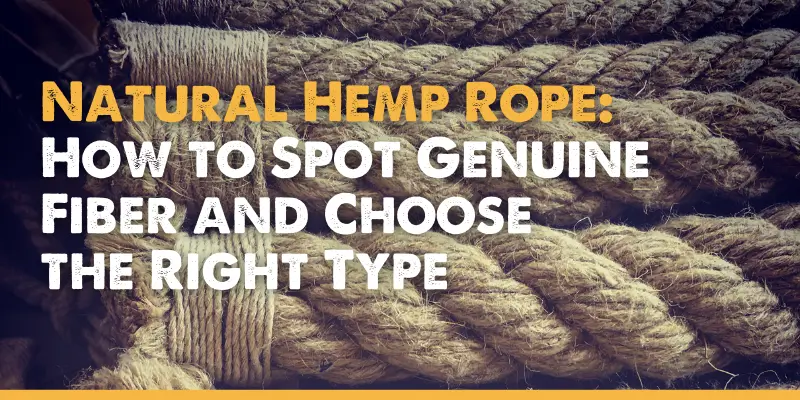
Natural Hemp Rope: How to Spot Genuine Fiber and Choose the Right Type
Search data and marketplace audits keep pointing to the same trend: a surprising share of “hemp” listings online are not hemp at all, but other natural fiber rope substitutes with vague labeling.
When shopping for Natural Hemp Rope, the difference between authentic hemp bast fiber and lookalike cordage can change how your project feels, lasts, and even smells.
This guide is built for solution-aware buyers who want practical checks, clear comparisons, and selection criteria that hold up for crafts, gardening, and light utility work.
What Natural Hemp Rope Is (and What It Isn’t)
Hemp rope is cordage made from hemp bast fiber harvested from Cannabis sativa, then spun and formed into twisted rope or braided rope.
The bast fiber comes from the plant’s stalk, which is why genuine hemp cord and hemp twine tend to have a distinct “woody” hand-feel and a rustic look.
Marketplace confusion is common because several fibers can look similar in photos. Many products marketed as “hemp” are actually jute rope, cotton rope, sisal, or manila rope, and sometimes the listing only says “natural fiber” without naming the plant.
“Natural” matters because it usually signals minimal processing, typically undyed fiber, and often chemical-free positioning.
That said, “natural” does not automatically mean untreated, so it is still worth confirming whether oils, sizing, waxes, or anti-mildew agents were used.
Set expectations for variation across batches.
With natural fibers, color can range from light tan to deeper golden tones, and you may notice differences in smell, texture, shedding, and fraying depending on harvest and processing.
Quick Authenticity Checks Before You Buy
A few quick checks can prevent most mis-buys, especially when sourcing online where photos can be misleading.
Use these steps before committing to a big order of coils, spools, or by-the-roll packaging.
-
Read the fiber content label: look for “100% hemp” or “hemp bast fiber,” and be cautious with vague “natural fiber” labeling.
-
Ask for product specifications: request fiber origin, construction (twisted/braided), diameter tolerance, and whether it’s treated or untreated.
-
Confirm the buying format: verify whether you are getting coils, spools, kilo spools, small cards (often 4mm and 6mm craft sizes), or cut-by-the-meter lengths.
-
Check for clear photos of the strand: twisted rope should show visible lay, while braided rope should show an interwoven sheath pattern.
Bulk Hemp Warehouse Note on “Real Hemp”
Bulk Hemp Warehouse focuses on authentic hemp rope and transparency so businesses and individuals can complete projects with confidence.
When sourcing at scale, it is smart to verify fiber claims and request documentation or clear product descriptions, especially when listings mix terms like “Manila hemp” or “natural jute” under a single “hemp” umbrella.
If you are comparing multiple suppliers, ask each one to state “100% hemp” plainly and provide consistent specs across batches.
That one habit reduces surprises in diameter, feel, and performance when you need repeatable results for production runs or recurring projects.
Top Use Cases: Where Hemp Rope Performs Best
Hemp has a long history as working cordage, and it still earns its place where grip, knot holding, and a natural aesthetic matter.
Think of it as a strong natural fiber rope option for everyday tying and making, not as a rated substitute for certified safety lines.
-
Home and craft: macramé, décor, wrapping, rustic handles, DIY accents, and hemp cord details where a firm structure helps.
-
Garden and farm: tying plants, trellising, bundling, and light-duty lashing for gardening tasks.
-
Pet and hobby: pet toys, scratching posts, historical re-enactments, cosplay/props, and set dressing where a period-correct look matters.
-
Light utility: tying, binding, packaging, and workshop organization, especially when you want grip and don’t need high stretch.
If you want idea-starters for projects, this great list of 10 hemp rope uses to get you inspired is a helpful scan. For a visual overview of features, the hemp rope benefits uses features infographic is also useful when comparing to synthetic rope.
When Not to Use Hemp Rope
Avoid hemp for safety-critical loads because natural fiber performance varies and most products are not certified or rated for life safety.
Skip hemp rope for climbing rope applications, fall protection, overhead lifting, towing, and rescue.
For persistent wet or marine use, choose purpose-built marine synthetics or treated natural alternatives designed for that exposure.
Hemp can handle occasional dampness, but constant moisture absorption increases mildew risk and reduces service life.
Indoor vs. Outdoor Expectations
Indoors, hemp tends to be stable and long-lasting, with excellent grip and a look that fits rustic, minimalist, and heritage styles.
It also holds knots well, which is why it is popular for macramé and décor work.
Outdoors, UV exposure, rain cycles, and humidity can shorten lifespan, especially if the rope stays damp.
lan for replacement, store spare coils dry, and avoid leaving lines in contact with wet soil where mildew and breakdown accelerate.
Natural Hemp Rope vs. Other Ropes (Pros, Cons, and Tradeoffs)
Comparing ropes works best when you focus on criteria that affect real use: tensile strength, abrasion resistance, flexibility, grip, knot holding, stretch, water behavior, and rot resistance.
Hemp sits in a useful middle ground as a strong natural fiber with excellent handling, but it is not the best choice for constant wet conditions or safety-rated tasks.
One common confusion is terminology around “hemp.” “Manila hemp” often refers to abacá, not Cannabis sativa, and that matters because performance, water behavior, and outdoor durability can differ.
A practical takeaway is to choose by environment and safety requirements, not marketing terms.
If a project needs predictable rated strength or frequent wet exposure, synthetic rope may be the better tool even if you prefer the look of natural fibers.
Hemp vs. Jute Rope
Hemp is generally stronger and more durable than jute, especially for repeated handling and knotting.
ute is often cheaper, but it tends to shed more, break down faster, and can feel rougher depending on the weave and processing.
Jute is also commonly mislabeled as hemp in marketplaces, particularly in craft listings. Always verify the fiber content label and look for “hemp bast fiber” or “100% hemp” rather than “natural rope.”
Hemp vs. Cotton Rope
Cotton is softer and is widely used for macramé where a plush feel and bright dyeing are priorities. Hemp offers a firmer hand-feel and a more rugged aesthetic, which some makers prefer for structure and definition.
Cotton can stretch and absorb moisture, and it can stain more visibly in outdoor use. Hemp also absorbs water, but it tends to keep better grip and a more “work rope” feel for tying and binding.
Hemp vs. Nylon and Polypropylene
Nylon rope is known for high tensile strength and elasticity, which helps with dynamic loads where controlled stretch matters.
The tradeoff is that nylon can feel slippery, and knot holding can be less forgiving without proper knots and dressing.
Polypropylene rope floats and resists water absorption, making it common for general marine use, pool lines, and wet environments. It has lower heat resistance and can feel plasticky in hand, which matters for décor, pet toys, and craft finishes.
Hemp looks natural, grips well, and ties securely for many everyday tasks.
It is simply not ideal for constant wet conditions, and it should not be treated as a substitute for engineered synthetics where performance must be consistent.
Hemp vs. Manila Hemp Rope (Abacá)
Manila hemp is typically abacá fiber, not Cannabis sativa, and it is often chosen for traditional outdoor and marine-adjacent uses.
Many buyers see “hemp” in the name and assume it is the same plant fiber, which leads to wrong expectations.
Use correct terminology when ordering so you do not buy the wrong fiber for your application.
If you need hemp specifically for its craft feel or sourcing requirements, confirm “hemp bast fiber” rather than “Manila hemp.”
Comparison Table: Materials, Construction, and Buying Formats
The table below is a practical snapshot of common rope materials, including natural fiber rope and synthetic rope options.
Use it to narrow choices before you decide on diameter, construction, and packaging.
|
Material |
Best uses |
Feel / grip |
Water behavior |
Durability outdoors |
Typical buying formats |
|---|---|---|---|---|---|
|
Hemp (Cannabis sativa bast fiber) |
Macramé, crafting, tying, binding, pet toys, light utility |
Firm, excellent grip, strong knot holding |
Moisture absorption; can mildew if stored damp |
Moderate; shorter life with constant wet/UV |
Coils, spools, kilo spools, by the meter, by the roll, small cards (4mm, 6mm) |
|
Jute |
Décor, light craft, temporary tying |
Often rougher; decent grip |
Absorbs water; degrades faster |
Low to moderate |
Coils, small craft rolls, spools |
|
Cotton |
Macramé, soft décor, indoor use |
Soft, comfortable handling |
Absorbs water; can stretch |
Low outdoors; best indoors |
Spools, rolls, braided cords |
|
Sisal |
Utility tying, scratch posts, rustic projects |
Stiff, abrasive; strong grip |
Absorbs water; can stiffen |
Moderate; can break down over time |
Coils, baler twine spools |
|
Manila (abacá) |
Traditional utility, some marine tradition uses |
Firm, work-rope feel |
Handles damp better than many naturals but still absorbs |
Moderate to good for a natural fiber |
Coils, hanks, large coils |
|
Nylon |
Loads needing strength and stretch |
Smooth; can be slippery |
Absorbs some water; retains strength fairly well |
High |
Coils, reels, cut lengths |
|
Polypropylene |
Wet environments, floating lines, general utility |
Light, can feel plasticky; moderate grip |
Resists water; floats |
High (UV varies by grade) |
Coils, reels, bulk spools |
Construction notes matter as much as material.
Twisted rope often feels more traditional and grippy, while braided rope can handle differently and may resist kinking depending on braid pattern.
Twisted vs. Braided: What Changes
Twisted rope has a classic look, strong grip, and a tactile surface that many people prefer for rustic handles and tying.
It can untwist at cut ends without whipping, so finishing the ends matters to reduce fraying.
Braided rope usually offers smoother handling and can be more flexible, though the result depends on fiber and braid style.
For crafts and décor, braided hemp cord can look cleaner, while twisted hemp rope often looks more traditional.
Diameter and Length Planning
Match diameter to the task so you get the right balance of flexibility, grip, and visual weight.
For crafts and macramé, 4mm to 6mm is common, while general utility and rustic handles often benefit from thicker diameters, and bundling or tying plants may be better served by hemp twine or thinner cordage.
Plan length with a waste factor because knots, splices, and trimming consume more rope than most people expect.
If you are making repeated items, measure one finished piece, then add 10% to 20% extra per unit to cover learning curve and end finishing.
How to Choose Genuine Natural Hemp Rope (Selection Criteria)
Start with the job and the environment, then work backward to fiber, construction, and packaging.
Décor and crafting usually prioritize feel, consistency, and aesthetics, while gardening and utility prioritize grip, knot holding, and acceptable outdoor life.
Verify authenticity early by checking labeling and seller transparency. If a product description avoids naming Cannabis sativa, bast fiber, or “100% hemp,” treat it as a red flag and ask for product specifications before ordering.
Choose construction and finish based on handling and exposure.
Twisted rope often looks more traditional and grips well, while braided rope can be easier to handle for certain knots and decorative patterns, and “untreated” vs. treated affects smell, stiffness, and how the rope behaves in moisture.
Source smart if you need consistency across batches for business use or repeat projects.
Consistent supply, batch consistency, and clear packaging details reduce rework when you reorder coils or spools months later.
If you are curious about the material from a maker’s perspective, how to make rope from hemp provides helpful context on the cordage process.
For niche applications, hemp rope for deer diy shows how buyers think through outdoor use and setup choices.
Quality Signals to Look For
-
Consistent diameter along the length, with minimal flat spots or thin sections that weaken knot performance.
-
Minimal debris and low shedding, especially if the rope will be used indoors near textiles or finished surfaces.
-
A clean, even twist on twisted rope, or a uniform braid pattern on braided rope without loose picks.
-
Clear description of chemical-free or untreated claims, including disclosure of any coatings, oils, or anti-mildew treatments.
Where Bulk Hemp Warehouse Fits
Bulk Hemp Warehouse is positioned as a specialist source for authentic hemp rope, with an emphasis on helping businesses and individuals bring projects to fruition through clear guidance and transparent sourcing.
For large orders, contact the supplier for spec confirmation on fiber content, diameter, length, and packaging format so what arrives matches your production needs.
If pet items are on your list, the material choice matters for feel and durability, and this resource explains the reasoning: why hemp ropes for hemp dog toys.
When comparing brands like Hemptique, HempTraders, Rawganique, rope.com, and SGT KNOTS, apply the same verification steps and prioritize sellers who publish clear product specifications and fiber content labeling.
FAQs About Hemp Rope and Hemp Cord
What are the disadvantages of hemp rope?
With hemp rope, moisture absorption is the big drawback because damp storage can lead to mildew and faster breakdown outdoors than many synthetic rope options.
Shedding and fraying can also happen at cut ends if the rope is not finished properly, and it is not appropriate for overhead lifting, fall protection, or climbing.
What is the difference between jute rope and hemp rope?
Hemp is typically stronger and more durable for repeated handling, with better longevity in knots and everyday use.
Jute is often cheaper but usually less durable, and it is commonly mislabeled as “hemp,” so checking the fiber content label is essential.
What is hemp rope good for?
It works well for macramé and crafting, rustic décor, gardening ties, bundling, light-duty tying and binding, workshop organization, and pet toys where grip and a natural look matter.
It is also popular in historical re-enactments and props because it reads as traditional cordage on camera and in hand.
Is natural hemp cord strong?
Yes, for many craft and utility tasks, but “strong” depends on diameter, construction, and how the cord is loaded.
For any application that requires rated strength, certified hardware, or life safety performance, do not substitute hemp cord or hemp twine for engineered climbing or lifting lines.
Final Thoughts on Buying Hemp Rope With Confidence
Buying the right rope gets easier once you separate marketing terms from fiber reality and match material to environment.
If you verify “100% hemp” claims, confirm construction and diameter, and plan for moisture and UV exposure, hemp becomes a reliable, good-looking choice for crafts, gardening, and light utility work that benefits from grip and a natural finish.


OTHER EDUCATIONAL HEMP POSTS



Explore Other Posts by Bulk Hemp Warehouse